

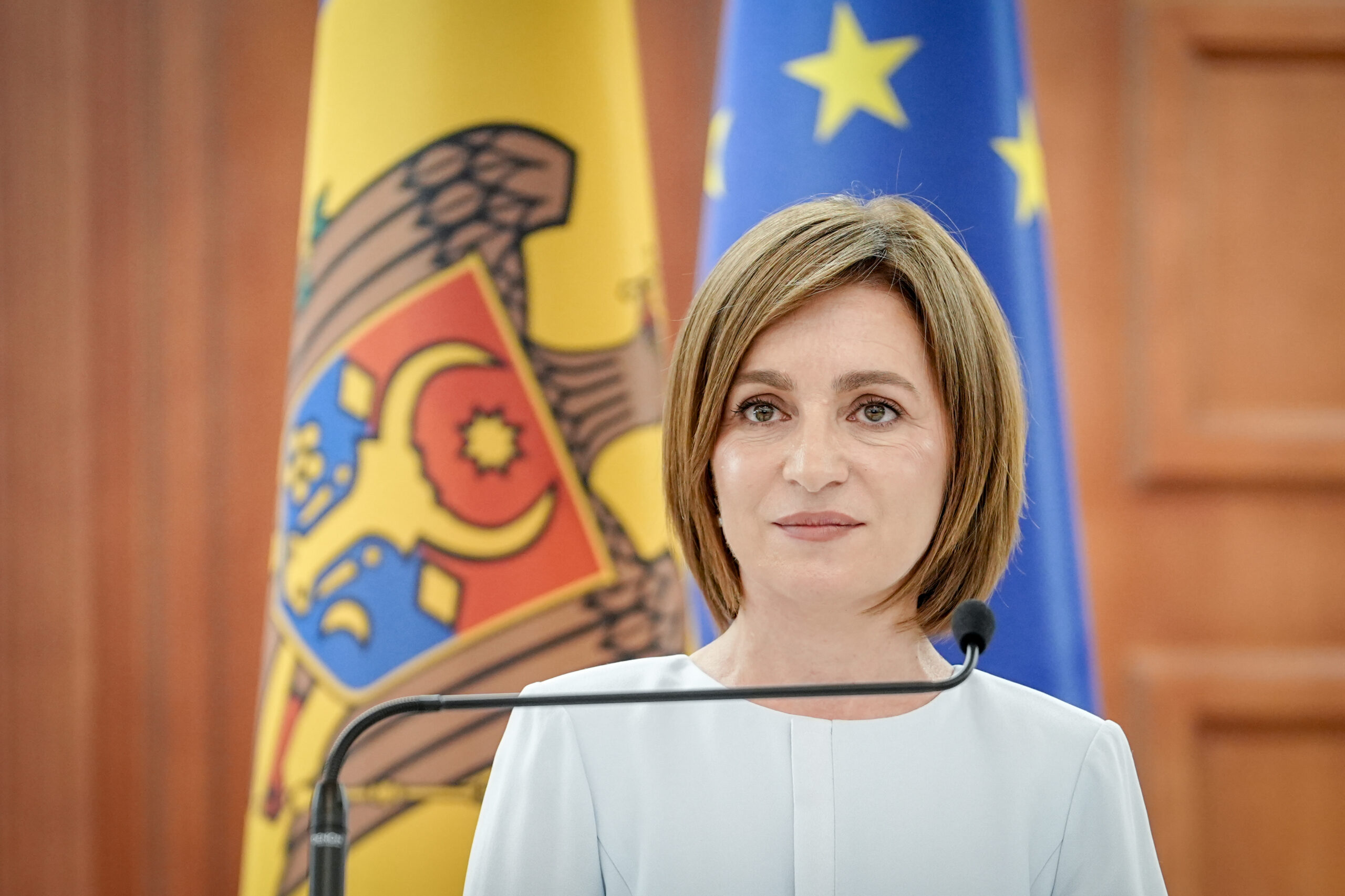
Influence of Maia Sandu’s Leadership
The leadership of Maia Sandu has significantly impacted Moldova and the broader region, earning recognition for advocating democratic reforms and government transparency. Under her guidance, Moldova has made remarkable strides in fighting corruption and strengthening the rule of law institutions. Sandu has placed particular emphasis on building an efficient and responsible public administration that meets citizens’ needs and ensures sustainable development.
Another crucial aspect of her leadership has been the commitment to European values, aiming to bring Moldova closer to the European Union. This has been reflected in her efforts to improve diplomatic relations and attract foreign investments, thereby contributing to economic growth and the country’s stability.
Moreover, Maia Sandu has shown an exceptional ability to garner popular support for her initiatives, which has been vital in the face of political opposition and internal challenges. Through constant dialogue with civil society and promoting an inclusive political culture, Sandu has succeeded in creating an atmosphere of trust and inspiring hope among Moldovan citizens.
Democracy Challenges in Europe
Democracy in Europe faces numerous challenges, ranging from the rise of populist movements and nationalism to the erosion of the rule of law and press freedom. In several European countries, there has been an increase in authoritarian tendencies, where political leaders attempt to consolidate power by undermining democratic institutions and checks and balances.
Additionally, the influence of disinformation and propaganda, often amplified by social media platforms, raises questions about citizens’ ability to make informed decisions. This situation is exacerbated by political polarization and deep social divides, which hinder constructive dialogue and the compromises necessary for the effective functioning of democracy.
Another destabilizing factor comprises economic and social challenges, such as income inequality and unemployment, which fuel public discontent and may lead to a lack of trust in democratic governments. These issues are compounded by external crises, such as migration and security threats, which test the limits of solidarity and international cooperation within the European Union.
In light of these challenges, it is crucial for European leaders to reaffirm their commitment to fundamental democratic values and collaborate to find sustainable solutions. An approach that promotes social inclusion, strengthens democratic institutions, and ensures the protection of citizens’ fundamental rights is necessary.
International Relations and Global Influence
International relations play a vital role in shaping a country’s global influence, and Maia Sandu has successfully positioned the Republic of Moldova as a reliable partner on the international stage. Through active and results-oriented diplomacy, Sandu has strengthened ties with the European Union and the United States, garnering support for internal reforms and the country’s European path. These relationships have been essential not only for Moldova’s political and economic stability but also for regional security.
Sandu has also promoted an open and constructive dialogue with neighboring countries, particularly Ukraine and Romania, aiming to strengthen bilateral and regional cooperation. This has contributed to creating a unified front in addressing geopolitical challenges and promoting stability and security in Eastern Europe. Furthermore, active involvement in international organizations and participation in global summits have provided Moldova with a platform to express its positions and influence international decisions.
Another important aspect of Maia Sandu’s global influence is her commitment to democratic values and human rights, which has earned respect and support from the international community. By promoting these principles, Sandu has not only enhanced Moldova’s international image but also demonstrated that the country can serve as a model for other states in the region aspiring for democracy and development.
At the same time, Maia Sandu has managed to attract foreign investments and initiate economic cooperation projects that have stimulated economic growth and created development opportunities for Moldovan citizens. Through these efforts, Moldova has not only solidified its position on the international stage but also shown that it can be a relevant actor in the context of
The Future of Democracy in the European Context
The future of democracy in the European context is marked by a variety of challenges and opportunities that require special attention from both leaders and citizens alike. In a Europe where democratic values are often put to the test, it is essential to foster a renewed commitment to the fundamental principles of democracy. This involves not only strengthening democratic institutions and the rule of law but also ensuring broader citizen participation in the decision-making process.
In this context, civic education plays a crucial role in forming an informed and responsible society capable of actively contributing to democratic development. Investment in programs that encourage civic spirit and promote critical thinking is necessary to combat disinformation and support healthy public dialogue.
Additionally, cooperation among the member states of the European Union is vital to address common challenges such as climate change, energy security, and migration. Through close cooperation and sharing best practices, Europe can become a bastion of democracy and stability on the global stage.
Rapid technological transformations also present new opportunities and risks for democracy. Digitalization and technological innovations can enhance transparency and governance efficiency but can also amplify challenges related to data protection and cybersecurity. It is essential for European leaders to develop appropriate policies to ensure that these technologies are used for the benefit of citizens and democracy.
In conclusion, the future of democracy in Europe relies on the ability of leaders and citizens to collaborate to overcome current challenges and build a society.
Sursa articol / foto: https://news.google.com/home?hl=ro&gl=RO&ceid=RO%3Aro