

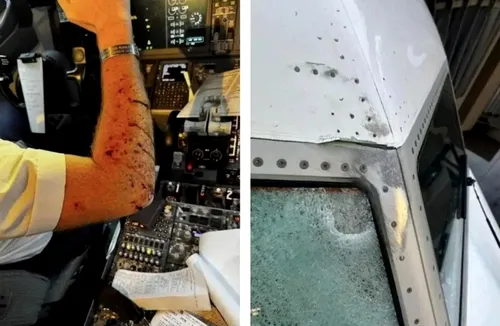
Influence of Orbital Debris on Aviation
Orbital debris poses a significant threat to aviation, as these fragments include satellites and other objects moving at extremely high speeds around Earth. These remnants can range from large pieces of space equipment to microscopic particles, each capable of causing major damage. For commercial aircraft flying at high altitudes, collisions with orbital debris can have catastrophic consequences, endangering the safety of passengers and crew. Moreover, orbital debris can interfere with the navigation and communication systems of aircraft, thereby affecting flight operations and causing delays or deviations from established routes. As the number of satellites and space missions continues to rise, the density of orbital debris increases exponentially, thereby heightening risks for aviation. This phenomenon underscores the necessity for stringent monitoring and management measures for orbital debris to protect aviation and ensure a safe and efficient flight environment.
Flight Safety Risks
Orbital debris presents considerable risks to flight safety, given the speed and kinetic energy with which they travel. Even the smallest fragments, the size of a screw, can cause substantial damage to aircraft, as impacts at high velocities may puncture fuselage or damage critical aircraft components. In extreme cases, collisions can lead to cabin pressure loss, engine failures, or damage to flight control systems.
Additionally, the risk is not confined solely to physical impacts. Orbital debris can also affect aircraft navigation instruments, interfering with GPS signals or other essential communication systems. This can result in location errors, difficulties in maintaining flight routes, and in some instances, completely compromise pilots’ ability to navigate safely.
Another major issue is that orbital debris is hard to detect and avoid, as they move at very high speeds and are often too small to be spotted in time. This means that pilots and air traffic controllers have limited options to respond to a potential hazard. As air traffic and the number of satellites continue to grow, the likelihood of incidents related to orbital debris becomes increasingly pronounced, highlighting the need for advanced technological solutions and international cooperation to mitigate these dangers.
Collision Prevention Measures
In the context of the ongoing increase in orbital debris, collision prevention measures become essential for safeguarding aviation. One proposed solution is the development and implementation of advanced systems for detecting and tracking orbital fragments. These systems could utilize ground-based radars and telescopes, as well as sensors placed on satellites, to monitor debris movement and anticipate potential collision trajectories.
Collision avoidance technology may also include advanced prediction algorithms that analyze collected data and provide early warnings to pilots and air traffic controllers. These warnings would allow for quick decision-making to adjust flight routes and avoid impact with orbital debris. Furthermore, integrating sophisticated navigation systems, capable of operating autonomously in risky situations, could significantly enhance flight safety.
Another important aspect of collision prevention is collaboration between space agencies and civil aviation. Information sharing and coordination of international efforts are crucial for developing effective response protocols to the threats posed by orbital debris. Discussion is also underway regarding the implementation of stricter international regulations concerning space debris management, including measures for deorbiting satellites at the end of their life cycle and promoting satellite designs that minimize debris production.
In the long term, research into technologies for capturing and eliminating orbital debris could provide more direct solutions for reducing risks. Experimental projects that involve using nets, robotic arms, or other specialized equipment to remove
International Initiatives for Reducing Orbital Debris
debris from orbit are being developed in various countries. These initiatives are crucial for decreasing the amount of waste floating in space and preventing the creation of new debris through collisions between existing objects.
At the international level, several organizations and space agencies are collaborating to establish common standards and policies aimed at managing orbital debris. For instance, the United Nations Committee on the Peaceful Uses of Outer Space (COPUOS) is working to develop guidelines and recommendations to encourage responsible practices in space utilization. These efforts include promoting policies for deorbiting satellites after their missions are completed and developing technologies that minimize the risk of accidental fragmentation.
Additionally, there are private initiatives contributing to reducing orbital debris. Companies in the space industry are investing in innovative technologies to develop more durable and resilient satellites that reduce the risk of debris generation. Moreover, public-private partnerships can accelerate the development of effective and sustainable solutions for space debris management.
International collaboration and information exchange are essential for the success of these initiatives. Countries are urged to unite their efforts to ensure a safer and cleaner space, thus protecting both aviation and future space missions. Only through concerted global action can the challenge posed by orbital debris be addressed, ensuring a sustainable space environment for future generations.
Sursa articol / foto: https://news.google.com/home?hl=ro&gl=RO&ceid=RO%3Aro