

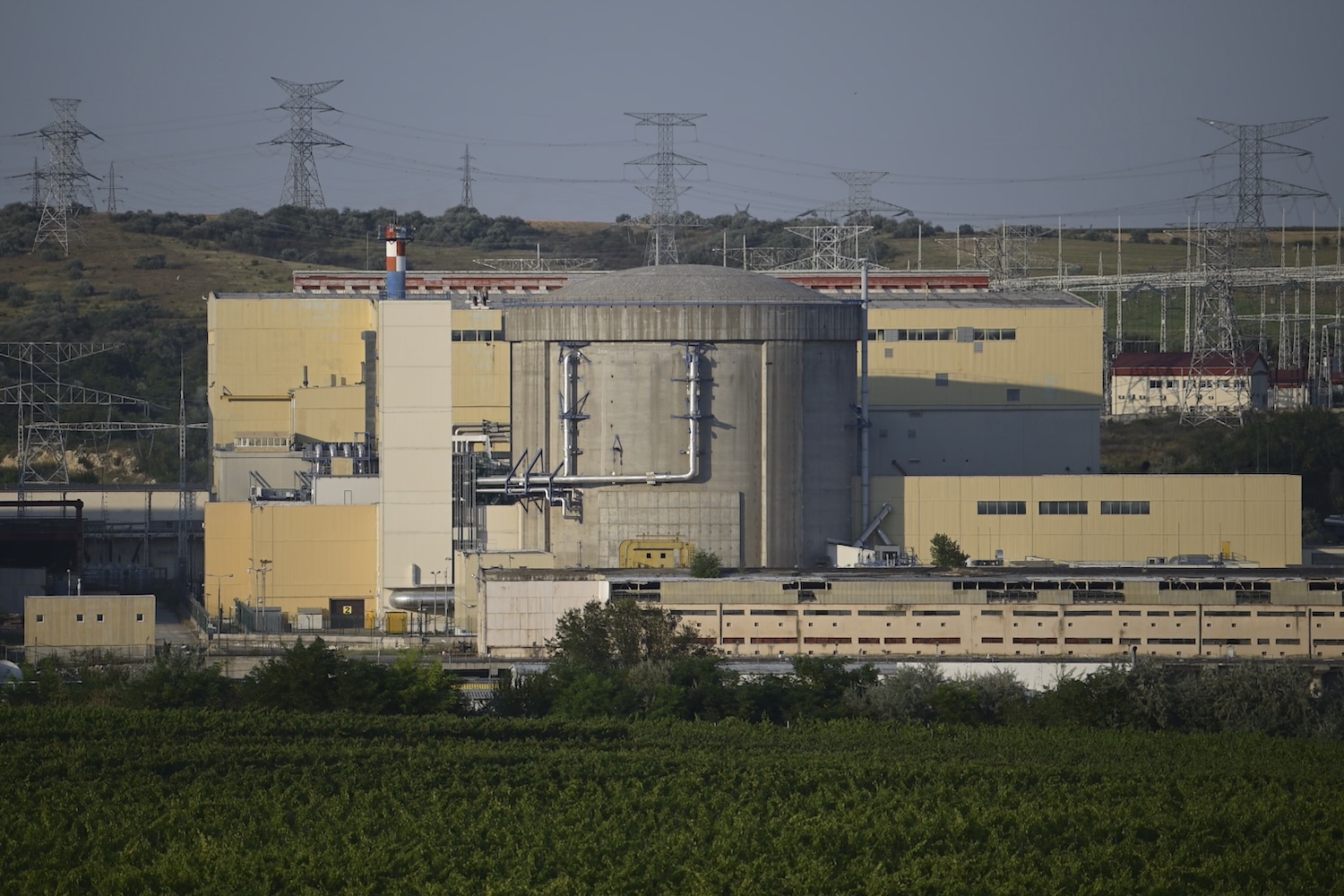
Influence of the Closure on the Economy
Shutting down the nuclear power plant in Cernavodă will significantly affect Romania’s economy. This plant has been a major source of electricity, contributing to the country’s energy stability and maintaining competitive pricing. The loss of this source will inevitably lead to increased reliance on energy imports, which could drive up energy costs for consumers and negatively impact industrial competitiveness.
Moreover, the closure of the nuclear plant will directly impact employment. A considerable number of employees, both within the plant and in related industries, will be affected by this decision. The loss of these jobs may lead to a rise in the unemployment rate in the region and economic hardships for local communities that relied on the plant’s operations.
Additionally, foreign investments in the energy sector could be discouraged by this closure, as stability and predictability are key factors for investors. Without a functional nuclear infrastructure, Romania may face challenges in attracting new investments in this critical sector.
Environmental Consequences
The closure of the nuclear plant in Cernavodă will have significant implications for the environment. On one hand, the removal of a nuclear energy source could reduce the risks associated with nuclear accidents and radioactive waste management, which is a major concern for environmental protection. With the plant no longer operational, there will be no radioactive emissions needing strict monitoring and control, potentially improving ecological safety in the long run.
On the other hand, replacing nuclear energy with other energy sources, such as fossil fuels, could have negative environmental effects. Increasing the use of coal, natural gas, or oil to compensate for the loss of nuclear energy could lead to higher greenhouse gas emissions and air pollution. This could undermine Romania’s efforts to meet its international commitments regarding carbon emission reductions and combating climate change.
Furthermore, the plant’s closure could influence local biodiversity, as changes in energy sources might affect land usage and natural habitats. For instance, the expansion of coal plants or other energy facilities could lead to deforestation or alterations in local ecosystems. Therefore, to minimize these adverse environmental consequences, it is essential for Romania to invest in renewable energy sources and promote energy efficiency.
Energy Alternatives for Romania
In light of the closure of the Cernavodă plant, Romania needs to explore and implement viable energy alternatives to ensure a stable energy supply and meet environmental commitments. An important solution is the development of renewable energy, such as wind and solar power, which have the potential to become major sources in the country’s energy mix. Romania has favorable conditions for harnessing wind energy, particularly in the Dobrogea area, and solar energy in regions with high solar exposure.
Investments in energy infrastructure to support renewable sources are crucial. This not only involves installing new production capacities but also modernizing distribution networks to effectively manage the intermittent energy produced by renewable sources. Additionally, developing energy storage projects, such as large capacity batteries or pumped-storage hydroelectric plants, can help stabilize the grid and ensure a constant energy supply.
Besides renewable sources, Romania could also explore other emerging technologies, such as hydrogen energy. Green hydrogen, produced through the electrolysis of water using renewable energy, could become an important energy vector, contributing to the decarbonization of industrial and transport sectors. Promoting research and innovation in these areas could position Romania as a regional leader in the transition to a low-carbon economy.
Moreover, energy efficiency must be a priority. Programs aimed at thermal rehabilitation of buildings, upgrading industrial equipment, and promoting efficient energy use across all economic sectors can substantially reduce energy consumption and partially offset the loss of nuclear capacity. By adopting these measures, Romania could improve its energy resilience.
International and Regional Reactions
The closure of the nuclear plant in Cernavodă has sparked a wave of reactions at both international and regional levels, considering the strategic importance of this energy capacity for Eastern Europe. At the European level, Romania’s partners express concerns about the energy stability of the region, given that Romania was regarded as a pillar of energy security due to its nuclear production. The European Commission has emphasized the need for Romania to present a clear energy transition plan that ensures the continuity of supply and compliance with the European Union’s climate objectives.
Additionally, Romania’s neighbors, such as Bulgaria and Hungary, are closely monitoring developments, as any fluctuation in energy supply can have cross-border effects. Bulgaria, which also relies on nuclear energy, has reaffirmed its commitment to maintaining and expanding its nuclear capacities, highlighting the importance of regional cooperation in the energy sector. Hungary, which has heavily invested in expanding its Paks nuclear plant, views the closure of the Cernavodă plant as an opportunity to become a more significant energy supplier in the region.
On the international stage, the closure has attracted the attention of major energy players like the United States and Russia, who are interested in Romania’s future energy projects. The United States has underscored the importance of diversifying energy sources and has offered support for the development of advanced nuclear technologies, such as small modular reactors, as part of a broader strategy to secure energy supply. Russia, on the other hand, has intensified efforts to promote natural gas as a transition solution, offering Romania options for cooperation in this regard.
In conclusion, the reactions to the closure of the Cernavodă nuclear plant highlight the complex dynamics shaping energy policy in the region and the importance of strategic planning in ensuring energy security and environmental sustainability.
Sursa articol / foto: https://news.google.com/home?hl=ro&gl=RO&ceid=RO%3Aro