

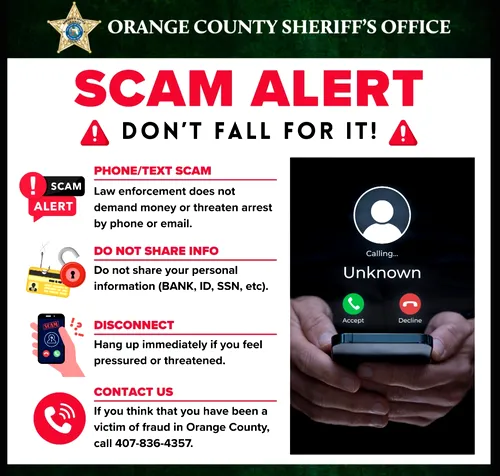
Effect of Online Scams
Online scams have emerged as a persistent threat in the digital realm, impacting millions of users every day. These scams range from phishing messages and false offers to intricate identity fraud and sophisticated cyberattacks. The repercussions of these scams are considerable, not just from a financial standpoint but also psychologically. Victims may face significant financial losses that can disrupt personal budgets or even entire businesses. Furthermore, the emotional effects of such betrayal can result in stress, anxiety, and distrust in future technology usage.
Beyond individuals, companies also feel the repercussions of online scams. They may incur direct financial losses as well as reputational damage, which can affect relationships with clients and business partners. In an interconnected world, a single security breach can have far-reaching consequences, impacting entire supply chains and business networks. Additionally, recovering from such an incident is often costly and time-consuming, requiring significant resources to restore security and trust.
Online scams do not only affect the victims directly but also the entire digital ecosystem. They contribute to rising cybersecurity costs, forcing both companies and users to consistently invest in more advanced protective measures. Moreover, they stimulate the development of new regulations and security policies, which can influence how technology is utilized and accessed globally.
Reasons for Not Reporting Incidents
The reasons victims of online scams choose not to report these incidents are varied and complex. One of the main reasons is the fear of being judged or blamed for falling prey to a scam. Many people feel shame and guilt, thinking they should have been more cautious or better informed. This mindset is often fueled by public perception and a lack of empathy from those who have not experienced a similar situation.
Another significant reason is the lack of trust in authorities and their ability to resolve the problem. Some victims believe that reporting a scam will not yield concrete results, either due to the complexity of the case or the limited resources of the authorities. Additionally, the reporting process can be perceived as complicated and time-consuming, discouraging victims from taking official action.
Moreover, there is a lack of awareness regarding the importance of reporting online scams. Many individuals do not realize that by reporting incidents, they can help prevent other similar cases, contributing to informing authorities and improving preventive measures. In the absence of adequate education on online security, victims may not be aware of the steps they should take after being scammed.
Finally, a common factor is skepticism regarding the anonymity and confidentiality of the reporting process. Victims fear that their personal data might be compromised or that they may suffer additional repercussions if they reveal their identity. This sense of vulnerability leads many individuals to choose not to report incidents at all, preferring to ignore or manage them on their own.
Consequences of Distrust in Authorities
Distrust in authorities has profound and extensive consequences on how online scams are managed. When victims lack confidence in authorities’ ability to intervene effectively, this can result in underreporting of incidents, which in turn hinders the collection of accurate data and the development of effective strategies to combat cyber fraud. Without proper reporting, authorities cannot accurately assess the scale and nature of threats, limiting their ability to allocate necessary resources to combat these crimes.
A lack of trust can also undermine collaboration efforts between the public and private sectors. In a rapidly evolving cyber environment, partnerships are essential for information exchange and the development of innovative solutions. When companies or individuals do not feel supported by authorities, they may be reluctant to share their experiences or data, which limits the capacity to develop effective collective defenses.
Additionally, distrust in authorities can lead to an increase in feelings of helplessness and isolation among victims. They may feel that there is no one to turn to for help or that there are no real solutions to their problems, which can amplify the negative effects of scams, including emotional stress and anxiety. It can also promote a culture of silence, where victims prefer not to discuss their experiences for fear of judgment or lack of action.
In the long term, this distrust further erodes the relationship between citizens and the institutions that are meant to protect them. In the absence of effective intervention and clear communication, a vacuum is created.
Protection and Prevention Strategies
Protecting against online scams begins with user education and awareness. It is essential for individuals to be informed about the most common types of scams and the signals that may indicate them. Awareness campaigns and educational initiatives can help users recognize and avoid potential online traps. Accessing educational resources and participating in cybersecurity courses are important steps to become an informed and cautious user.
Utilizing security technologies is another crucial strategy. Installing antivirus software and firewalls, regularly updating operating systems and applications, as well as using strong passwords and two-factor authentication are essential measures for protecting personal data. These tools can prevent many cyberattacks and safeguard sensitive information from unauthorized access.
Another important aspect is vigilance against unsolicited online communications. Users should be skeptical of emails, messages, or phone calls that request personal or financial information. Verifying sources and avoiding clicking on links or downloading attachments from unknown origins are key practices to prevent phishing and other types of scams.
Collaboration among users, companies, and authorities is vital for creating a safer online environment. Reporting security incidents contributes to building a database that can be used to identify trends and develop better protection solutions. Authorities and companies can work together to create policies and regulations that enhance cybersecurity and protect users from online risks.
Ultimately, fostering a culture of personal responsibility towards
Sursa articol / foto: https://news.google.com/home?hl=ro&gl=RO&ceid=RO%3Aro