

Influence of Foreign Policy
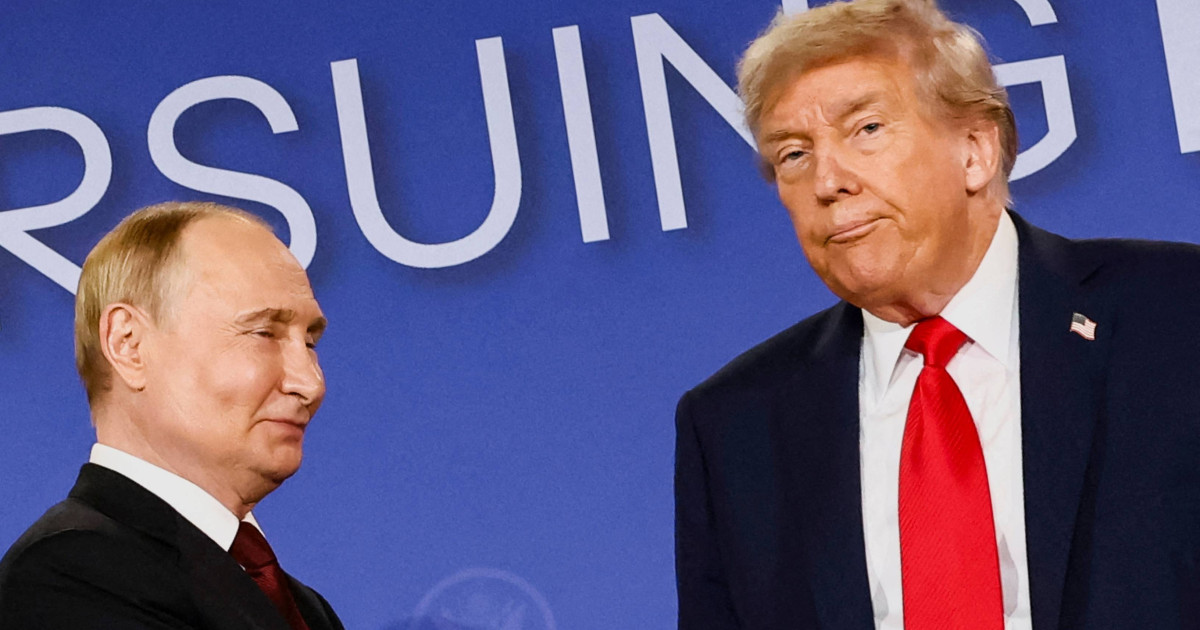
Foreign policy under the Trump administration marked a substantial shift in relations with Russia, particularly regarding the relationship with President Vladimir Putin. During his term, Trump adopted a much tougher stance towards Moscow, emphasizing the strengthening of traditional U.S. alliances and imposing economic sanctions on Russia. This shift was seen as an effort to counteract Russian influence on the global stage and reaffirm the leadership role of the United States in international politics.
Specifically, the Trump administration enacted sanctions in response to Russia’s annexation of Crimea and the alleged interference in the 2016 U.S. presidential elections. These actions were supported by strong rhetoric and renewed backing for NATO, in an effort to reassure European allies of the U.S. commitment to collective security. Additionally, Trump intensified pressure on European countries to increase their defense spending, thereby bolstering the alliance’s position.
At the same time, Trump’s foreign policy faced criticism for inconsistency and a lack of a coherent long-term strategy. Although he took a hardline stance in certain respects, his personal relationship with Putin raised questions about the true intentions of his administration. Nevertheless, the overall impact of his foreign policy was to redirect global attention towards the threat posed by Russia and to stimulate a broader debate on international relations and how they should be managed in the future.
International Reactions
International reactions to the changes in the Trump administration’s foreign policy were varied and often contrasting. In Europe, many leaders welcomed the sanctions against Russia as a sign of renewed U.S. commitment to European security. Germany and France, in particular, viewed these measures as an opportunity to strengthen EU cohesion in the face of external challenges. However, there was also a level of concern regarding Trump’s unpredictable rhetoric, which generated uncertainty among traditional allies.
In Asia, reactions were more nuanced. Japan and South Korea expressed support for initiatives to deter Russia but called for a balanced approach that would not jeopardize regional stability. China, on the other hand, viewed these developments with skepticism, seeing them as a potential threat to its influence in the region and an attempt to limit its strategic cooperation with Russia.
Globally, reactions ranged from strong support to vehement criticism. Countries in the Middle East, for example, were divided: some states backed the harsh measures against Russia, while others, having economic and military ties with Moscow, expressed reservations. In Latin America, reactions were largely negative, with many governments criticizing the unilateral approach of the U.S. and calling for a more open and inclusive dialogue.
In conclusion, international reactions to the Trump administration’s foreign policy reflected a complex geopolitical landscape where national interests and traditional alliances played a decisive role in shaping the positions taken by various states. This diversity
Economic Consequences
The economic policies of the Trump administration had a significant impact on international economic relations, particularly regarding Russia. The economic sanctions imposed by the U.S. were designed to exert pressure on the Russian economy, targeting key sectors such as energy, finance, and defense. These measures aimed to limit Russia’s ability to finance and support its aggressive international actions.
The consequences of these sanctions were felt both in Russia and in other countries with close economic ties to Moscow. In Russia, the economy suffered due to financial restrictions, which led to difficulties in obtaining external capital and increased costs for local businesses. Additionally, the sanctions impacted the ruble, which experienced significant fluctuations, affecting internal economic stability.
In Europe, sanctions created challenges for companies engaged in trade with Russia. EU member states were forced to navigate the pressure to support U.S. policy while balancing domestic economic needs, leading to intense debates regarding the balance between security and economic interests.
Furthermore, the sanctions influenced global energy markets, considering that Russia is a major player in the oil and natural gas market. Energy prices were affected by the uncertainty generated by U.S. policies, and countries dependent on Russian energy imports had to diversify their supply sources to ensure energy security.
In summary, the economic consequences of the Trump administration’s policies towards Russia were complex and far-reaching, impacting not only the Russian economy but also global markets and relations
Future Perspectives
The future perspectives of U.S. foreign policy towards Russia are marked by uncertainties and significant challenges. With a new administration, there are expectations for a reassessment of bilateral relations that balances firmness with smart diplomacy. At the same time, internal and international pressures demand an approach that ensures U.S. national security while also promoting global stability.
One of the key aspects of future perspectives is the strategic approach to sanctions. While economic sanctions have been a central tool in U.S. policy towards Russia, there are discussions regarding their long-term effectiveness and sustainability. Future strategies may focus on more targeted sanctions that minimize negative effects on allies while maximizing pressure on Moscow.
Additionally, there is an anticipation of intensified diplomatic efforts to manage regional conflicts in which Russia plays a significant role. The situation in Ukraine and Russia’s influence in the Middle East are critical points that require careful coordination with European allies and NATO partners. In this context, dialogue and international collaboration will be essential in preventing the escalation of tensions.
Domestically, the U.S. administration will need to address public expectations, which are increasingly aware of the complexity of international relations and their impact on national security and the economy. Transparency and effective communication with citizens will be key elements in securing public support for proposed foreign policies.
In conclusion, the future of U.S.-Russia relations will depend on the leaders’ ability to navigate an increasingly complicated geopolitical landscape while maintaining a balance between national interests and international responsibilities.
Sursa articol / foto: https://news.google.com/home?hl=ro&gl=RO&ceid=RO%3Aro