

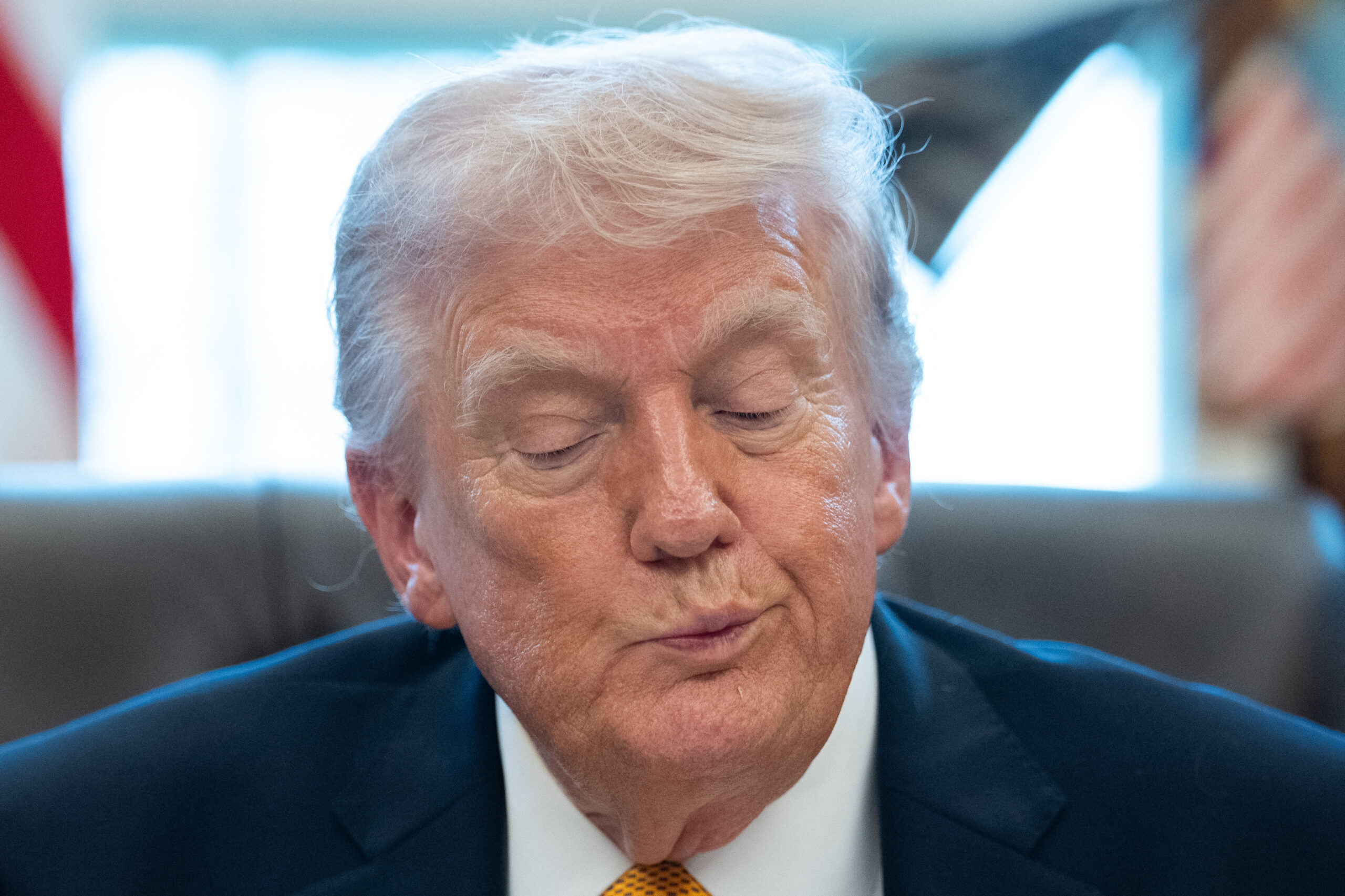
Influence of Sanctions on Iran’s Economy
The sanctions imposed by the United States on Iran have significantly influenced the economy of this country, impacting various economic sectors and creating major hardships for the Iranian population. The oil industry, which serves as the backbone of the Iranian economy, has been severely affected, with oil exports plummeting dramatically due to international restrictions. This has led to a substantial decrease in government revenues, limiting the capacity for investments and economic development.
Additionally, the sanctions have resulted in rising inflation, with consumer goods prices increasing significantly, which has impacted the standard of living for Iranians. The national currency, the rial, has undergone considerable depreciation, further worsening the economic situation in the country. Limited access to international financial markets has made it difficult for Iran to secure the necessary funds to sustain its economy and infrastructure.
Moreover, the sanctions have also impacted the medical sector, with imports of medicines and medical equipment being restricted, leading to a crisis in the Iranian healthcare system. This situation has generated social tensions, and dissatisfaction among the population regarding economic difficulties has heightened, putting pressure on the Tehran government. In conclusion, the sanctions have had a devastating effect on Iran’s economy, further complicating the social and economic situation in the country.
International Reactions to the US-Imposed Blockade
International reactions have been varied and complex, reflecting the divergent interests of different states and economic blocs. The European Union, for example, has expressed major concerns regarding the US decision to reimpose sanctions, emphasizing the importance of maintaining the nuclear deal with Iran. European nations, which have invested significantly in economic relations with Tehran, have sought ways to sustain trade exchanges, developing mechanisms such as INSTEX to facilitate transactions without violating American sanctions.
China and Russia, strategic partners of Iran, have strongly condemned the measures imposed by Washington, viewing them as unilateral and contrary to international law. Both countries have intensified their efforts to support Iran, either through continued oil imports or by expanding economic and military cooperation. This support has been essential for Iran in its attempt to keep its economy afloat amid external pressures.
In the Middle East, reactions have been mixed. Israel and Saudi Arabia have openly supported the sanctions, seeing them as a way to limit Iran’s influence in the region. In contrast, other states in the region have adopted a more reserved stance, concerned about the potential consequences of escalating tensions and the impact on regional stability.
Globally, the sanctions have sparked intense debates over economic sovereignty and the right of states to choose their trade partners. Critics have warned about the dangerous precedent such measures could create, advocating for a multilateral and diplomatic approach to resolving international conflicts. In conclusion, international reactions have been marked by significant polarization, reflecting geopolitical tensions and interests.
Political Consequences for the Trump Administration
The Trump administration’s decision to impose severe sanctions on Iran and withdraw from the nuclear agreement has had numerous political consequences domestically. Firstly, this move has generated significant divisions within the Republican Party, with some members firmly supporting the maximum pressure policy on Iran, while others have expressed concerns about the risks of escalating conflict in the Middle East and the impact on relations with the United States’ traditional allies.
On the other hand, the Democratic Party has vehemently criticized the administration’s approach, considering the withdrawal from the nuclear agreement a strategic mistake that undermined the credibility of the United States on the international stage. This criticism has been amplified by concerns that the Trump administration’s foreign policy could isolate the US, weakening traditional alliances and diminishing American influence in global negotiations.
Additionally, the sanctions have impacted public perception domestically, with American public opinion being divided regarding the effectiveness of these measures. Some citizens viewed the sanctions as a necessary means to compel Iran to abandon its nuclear programs and alter its regional behavior. Others, however, expressed concerns that such policies might lead to armed conflict, similar to the wars in Iraq and Afghanistan, and adversely affect the global economy.
At the same time, the international community has viewed with skepticism the Trump administration’s ability to manage diplomatic crises and build a solid international coalition against Iran. This situation has put pressure on American diplomacy, which has had to navigate a complex international landscape and find solutions to maintain support from allies amid an increasingly contested sanctions policy.
Prospects for a Diplomatic Solution in the Current Crisis
The current crisis between the United States and Iran has initiated multiple discussions at the international level about the possibility of a diplomatic solution to de-escalate the situation. Although tensions have escalated, there are still voices advocating for dialogue and negotiation as methods to prevent armed conflict and restore stability in the region. European diplomacy, in particular, has attempted to mediate between Washington and Tehran, emphasizing the importance of keeping channels of communication open and avoiding uncontrolled escalation.
The European Union, through its representatives, has continued to promote the idea of a multilateral discussion framework involving not only the United States and Iran but also other key regional and international actors. This approach could facilitate finding an acceptable solution for all parties involved, addressing not only the nuclear issue but also other aspects of regional security and economic cooperation.
Furthermore, China and Russia, although critical of American sanctions, have expressed a willingness to play a constructive role in facilitating dialogue. Both countries have an interest in preventing a conflict in the Middle East, which could destabilize energy markets and impact their economic and security interests. In this context, they have supported initiatives that favor a peaceful resolution and encouraged Iran to continue adhering to international commitments.
On the other hand, the Trump administration has shown some openness to negotiations but emphasized the need for any discussions to include strict conditions regarding Iran’s nuclear and ballistic programs, as well as its regional activities. This position has complicated diplomatic efforts, as Tehran has demanded the lifting of sanctions as a precondition for any meaningful discussion.
In conclusion,
Sursa articol / foto: https://news.google.com/home?hl=ro&gl=RO&ceid=RO%3Aro